Introduction:
Welcome to our latest blog post where we explore the fascinating world of microservices architecture using .NET Core and Docker. In today’s rapidly evolving technological landscape, the need for scalable and resilient applications has never been greater. Microservices offer a solution by breaking down complex monolithic applications into smaller, independently deployable services. Join us as we delve into the principles, best practices, and practical implementation of building scalable microservices with .NET Core and Docker.
Understanding Microservices Architecture:
Gain a comprehensive understanding of microservices architecture, its benefits, and challenges. Learn how microservices enable agility, scalability, and fault isolation in modern application development. Explore key concepts such as bounded contexts, service autonomy, and decentralized data management.
Getting Started with .NET Core:
Get started with .NET Core, Microsoft’s open-source, cross-platform framework for building modern, cloud-native applications. Learn how to set up your development environment, create a new .NET Core project, and leverage features such as dependency injection, configuration management, and logging.
Containerization with Docker:
Discover the power of Docker containers for packaging, deploying, and running microservices at scale. Explore Docker fundamentals, including container images, containers, and Dockerfiles. Learn how to containerize .NET Core applications and efficiently manage dependencies and runtime environments.
Designing Microservices:
Learn best practices for designing microservices that are modular, loosely coupled, and independently deployable. Explore strategies for defining service boundaries, establishing communication protocols, and managing data consistency across microservices. Dive into domain-driven design (DDD) principles and patterns for modeling complex business domains.
Implementing Microservices with .NET Core:
Walk through the step-by-step process of implementing microservices using .NET Core. Build a sample microservices-based application composed of multiple services, each serving a specific business domain. Explore techniques for inter-service communication, service discovery, and fault tolerance using libraries like gRPC, REST APIs, and resilience patterns.
Orchestrating Microservices with Kubernetes:
Discover Kubernetes, an open-source container orchestration platform, for deploying and managing microservices at scale. Learn how to deploy your Dockerized microservices to a Kubernetes cluster, configure auto-scaling, and perform rolling updates seamlessly. Explore advanced Kubernetes features like service mesh and Istio for enhanced observability and security.
Monitoring and Observability:
Ensure the health and performance of your microservices-based application with effective monitoring and observability practices. Learn how to instrument your .NET Core microservices with metrics, logs, and distributed tracing. Explore monitoring tools like Prometheus, Grafana, and Jaeger for real-time insights into application performance and behavior.
Continuous Integration and Deployment (CI/CD):
Automate the build, test, and deployment process for your microservices using CI/CD pipelines. Learn how to set up continuous integration with tools like Azure DevOps or GitHub Actions. Implement blue-green deployments, canary releases, and A/B testing to minimize downtime and deliver new features with confidence.
Conclusion:
Congratulations on completing this journey into the realm of building scalable microservices with .NET Core and Docker! Armed with the knowledge and skills gained from this blog post, you’re well-equipped to embark on your microservices development journey. Stay curious, keep exploring new technologies, and never stop learning. Happy coding!
More from us
AI/ML Trends in 2022
Data science will continue to be a hot t... Data science will continue to be a hot topic in the coming years. In the future, we will see even more breakthroughs and advancements. Data scientists, data analysts, and AI engineers are projected to be in high demand. Avail Enterprise development services now and get started.
E-Learning: Designing an effective e-learning certificate platform
Apps for education are essential in toda... Apps for education are essential in today’s world. They’ve evolved into one of the most useful learning tools available today. These apps will take you through amazing strategies to improve your skills and desire for academics, just like a teacher would.
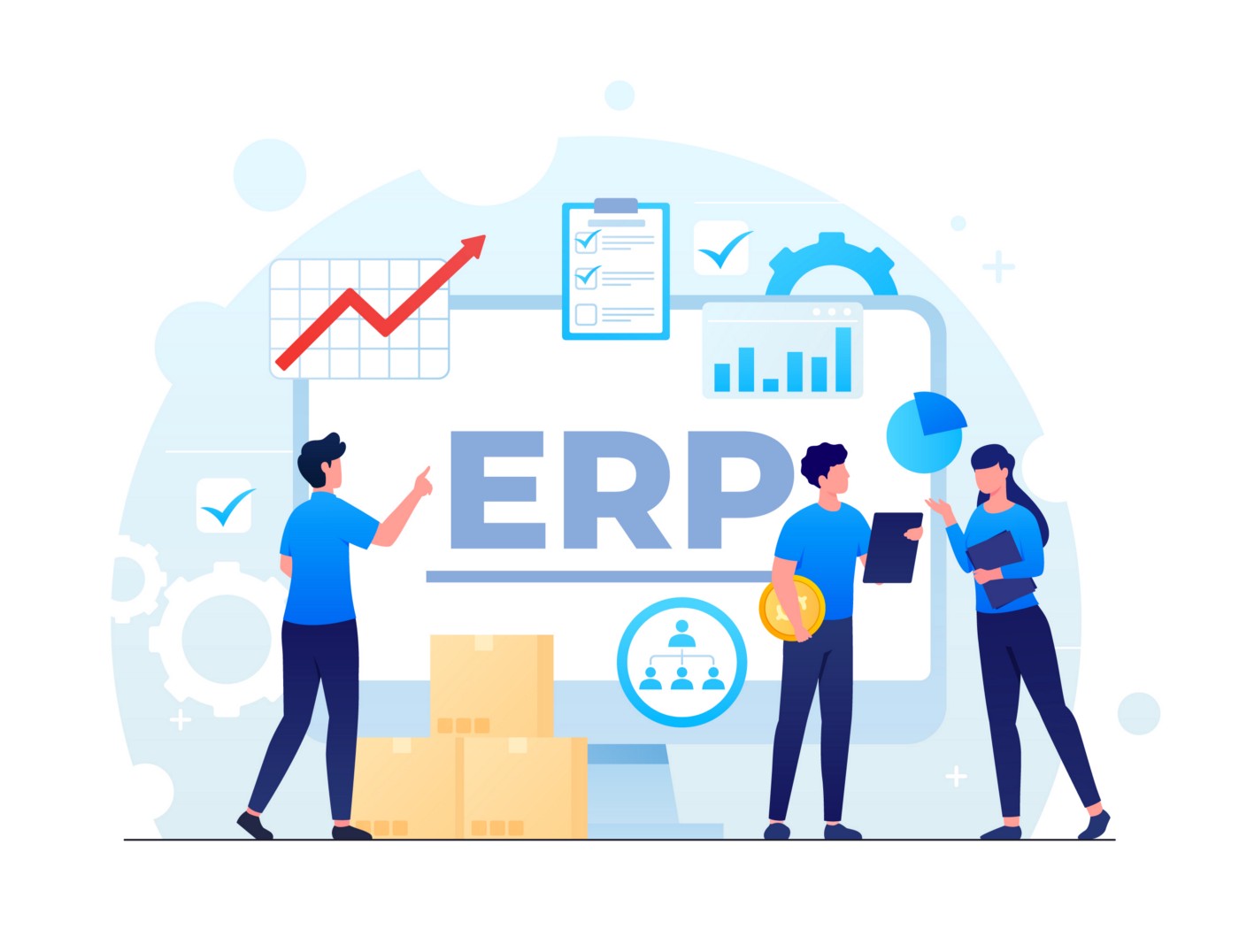
5 Major ERP Trends That Will Revive the Food & Industry in 2022
The COVID-19 pandemic has wreaked havoc ... The COVID-19 pandemic has wreaked havoc on the hospitality industry and the food and beverage industry is still trying to come out of this crisis. Due to this, many businesses have revamped their operational strategies to meet the challenges of evolving consumer demand, market uncertainty, and ongoing supply chain challenges. The industry needed the right technology to play a significant role to promote business processes to enable them to make a roaring comeback caused by the pandemic.
Top 8 Benefits of Choosing Laravel For Your Next Project
The world is now working in an open-sour... The world is now working in an open-source environment and if you are looking to develop a web application with a PHP framework that is fast, trustworthy, scalable, and flexible, Laravel is your go-to framework. Some tasks that might take hundreds of lines of code can now easily be included in your web application with the help of a single line